


1. First Things First: Inshore Fishing vs Offshore Game Fishing
There are two main types of fishing experiences in Tasmania, and understanding the difference can help you choose the right trip.
Offshore game fishing is for serious fishing enthusiasts. The targets are big fish such as southern bluefin tuna and sharks. You'll need to head well offshore, often spending a full day on the water. It can be physically demanding, especially when the wind picks up and the swell gets rough.
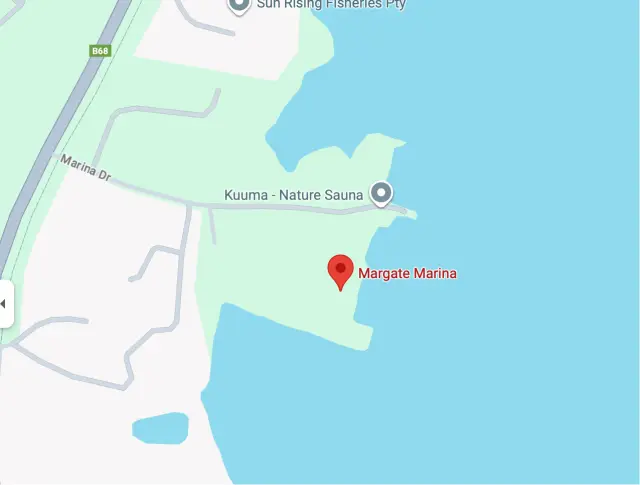
Inshore recreational fishing is a completely different experience. We depart from Margate Marina, just south of Hobart, and fish in nearby coastal waters. The fish might not be huge, but many are just the right size for a delicious seafood dinner.
There's another difference people don't always consider. Offshore game fishing can mean spending hours travelling and searching for fish, sometimes in challenging sea conditions. Inshore fishing is generally more relaxed, with calmer, sheltered waters and food available on board. You can save your energy and appetite for the fishing and the food.
If your idea of a great day is a comfortable boat trip, catching a few fish, enjoying fresh seafood and perhaps spotting some seals or dolphins along the way, an inshore fishing experience could be exactly what you're looking for.
2. A Quick Guide to 10 Common Fish Species
Here's a quick overview of the fish you might encounter on a Hobart fishing charter. The more stars, the more exciting the fight when you hook one!
| Fish Species | Difficulty | Fighting Strength | Taste & Best Cooking Methods |
|---|---|---|---|
| Cod | Very easy | ★★ | Tender, delicate flesh; excellent grilled, steamed or in soup |
| Blue-throat Wrasse | Easy | ★★★ | Fine-textured, delicate flesh; a skipper's favourite |
| Leatherjacket | Moderate | ★★ | Tender flesh once skinned; great grilled or pan-fried |
| Jackass Morwong | Moderate | ★★ | Beautiful white, tender flesh; ideal for steaming or grilling |
| Gurnard Perch | Moderate | ★★★ | Firm fighting feel, sweet flesh; excellent for seafood soup |
| Pike | Moderate | ★★★★ | Fast, powerful runs; great fun to catch |
| Flathead | Very easy | ★★ | Delicate flesh with relatively few fine bones; great grilled, fried or braised |
| Australian Salmon | Easy | ★★★★ | Strong fighter; best enjoyed freshly caught and cooked |
| Trevally | Moderate | ★★★★ | Powerful changes of direction; firm flesh that may be suitable for sashimi with appropriate handling |
| Stripy Trumpeter | Challenging | ★★★★★ | Exceptional fighting power; firm, rich flesh, highly prized for sashimi |
Cod
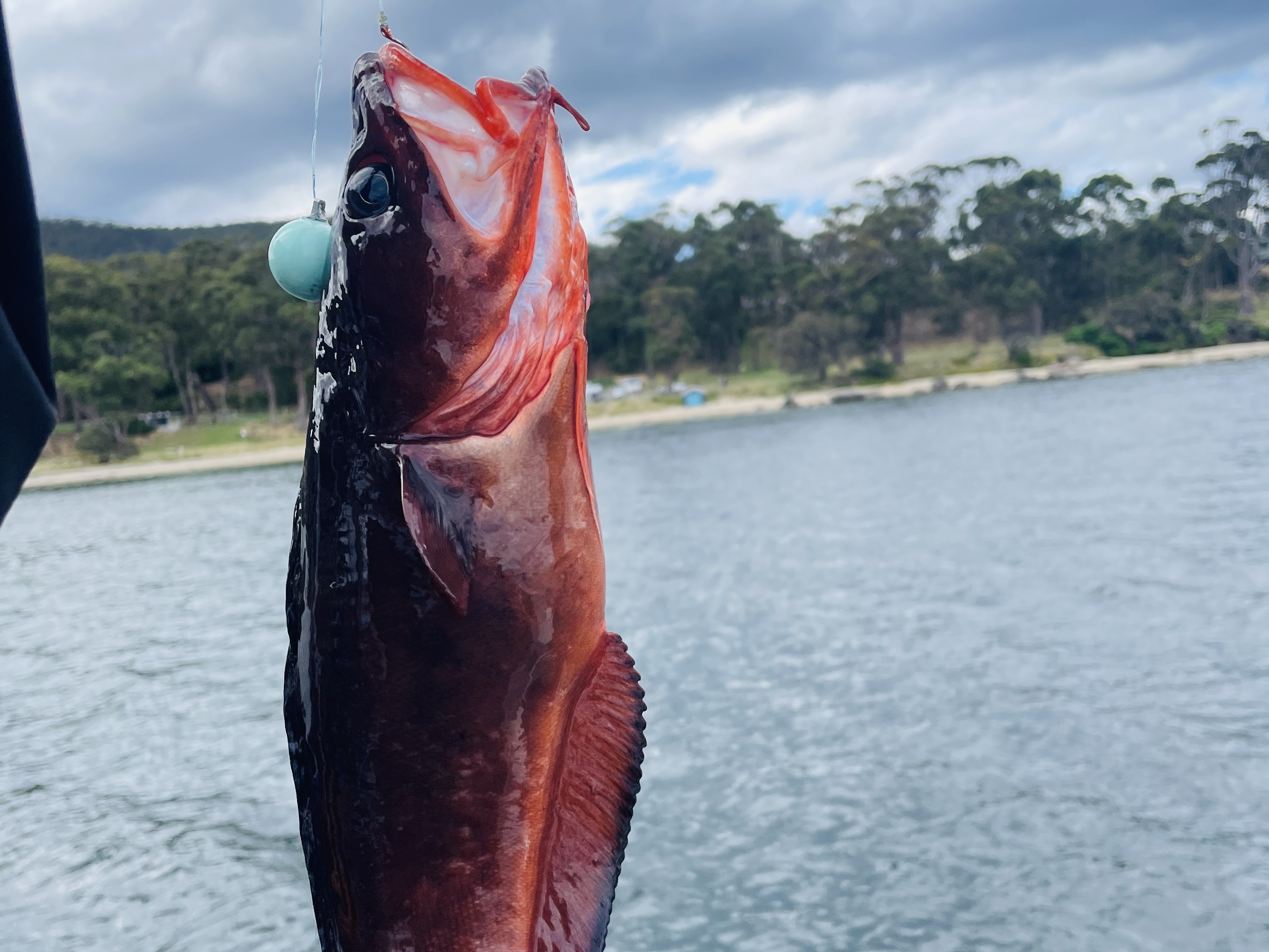
Photo: Cod
A familiar resident of Tasmania's rocky reefs. Depending on the species, these fish can range in colour from purplish-brown to blue-green, and divers often come across them underwater.
Cod are usually quite willing to take a bait, making them a popular first catch for beginners. In fishing terms, your first fish of the day is sometimes called your "first fish on the board".
Their tender flesh is delicious grilled, and they also make a fantastic seafood soup.
Blue-throat Wrasse
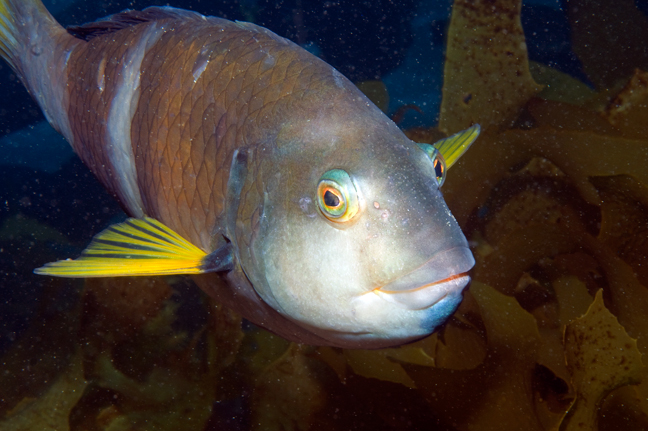
Photo: Notolabrus tetricus|Julian Finn / Museum Victoria, CC BY 3.0 (Wikimedia Commons)
One of Tasmania's signature inshore reef fish.
Mature males develop a distinctive blue throat, which is where the name comes from. They love hanging around rocky reefs, and once hooked, they'll often dive straight towards the rocks, putting up a surprisingly strong fight.
Their flesh is fine-textured and delicate, making them one of our skipper's favourite fish to recommend for fresh cooking on the grill.
Leatherjacket
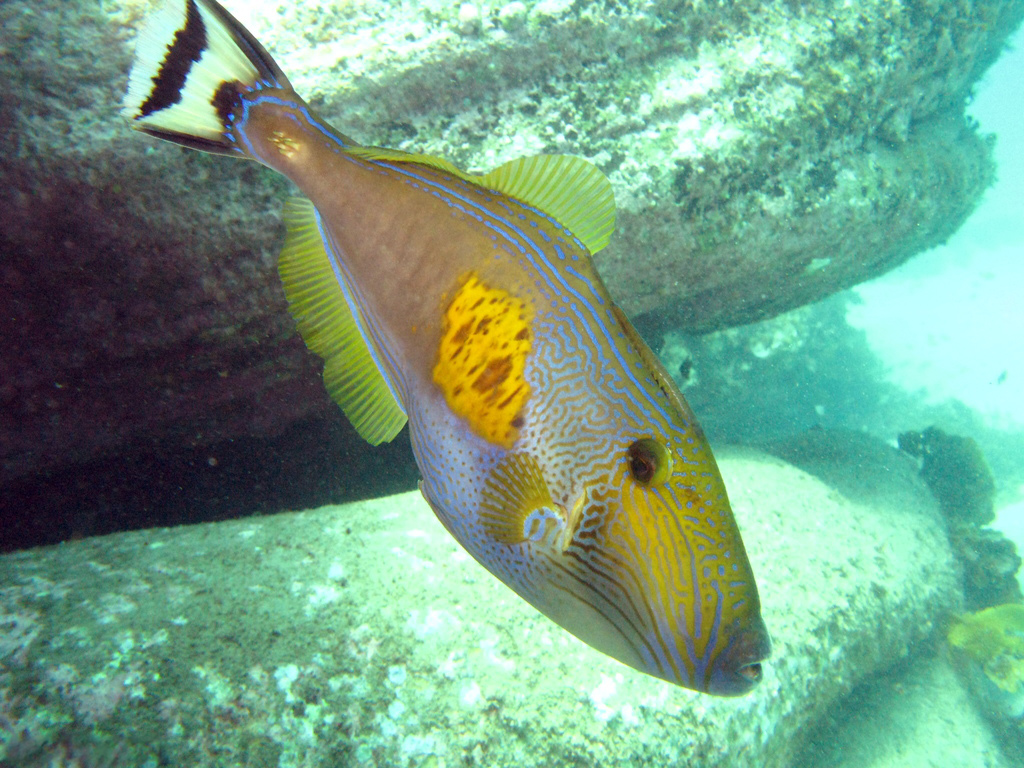
Photo: Six-spine leatherjacket|Richard Ling, CC BY 2.0 (Wikimedia Commons)
The name says it all. Leatherjackets have tough, leathery skin that needs to be removed before cooking.
But once you peel that skin away, you might be surprised by just how tender and smooth the flesh is!
They're excellent grilled or pan-fried and are a familiar sight on local seafood menus.
Jackass Morwong
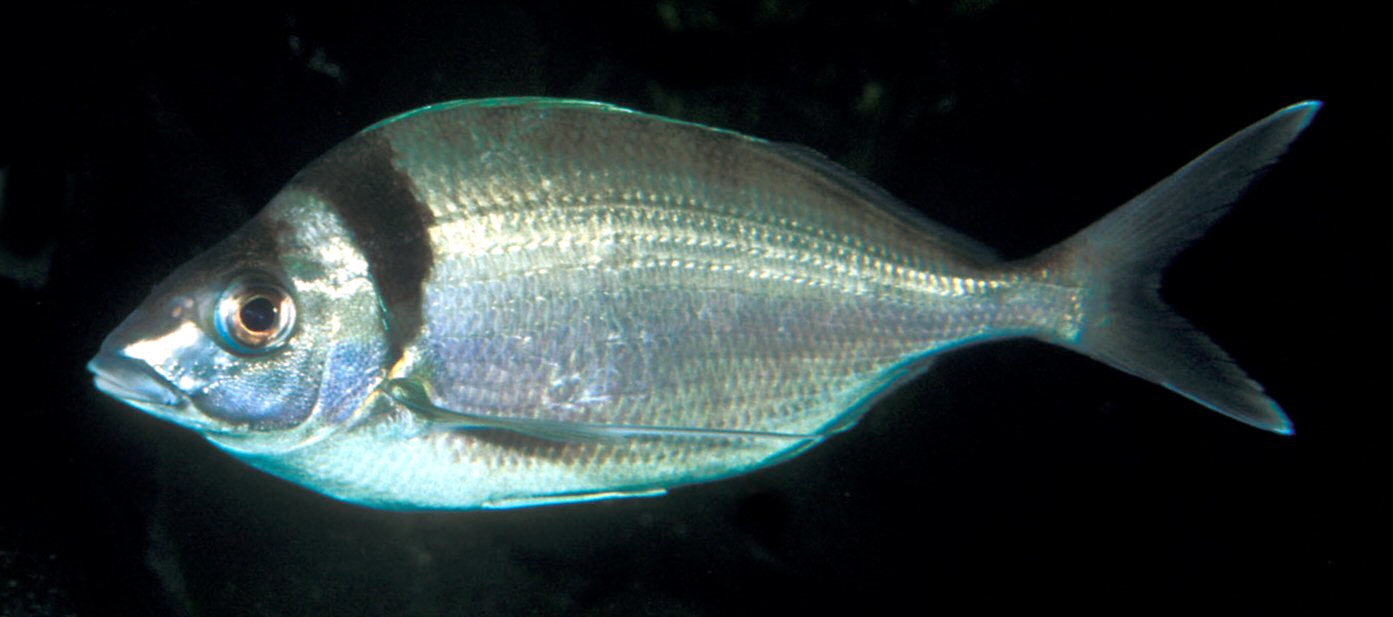
Photo: Nemadactylus macropterus (Wikimedia Commons)
Despite its rather unusual name, Jackass Morwong is a well-regarded table fish.
These fish are typically found around deeper reef areas. They have flattened bodies and beautiful white flesh.
Whether steamed or grilled, they're excellent eating. In terms of tenderness, they're easily among the best fish on this list.
Gurnard Perch
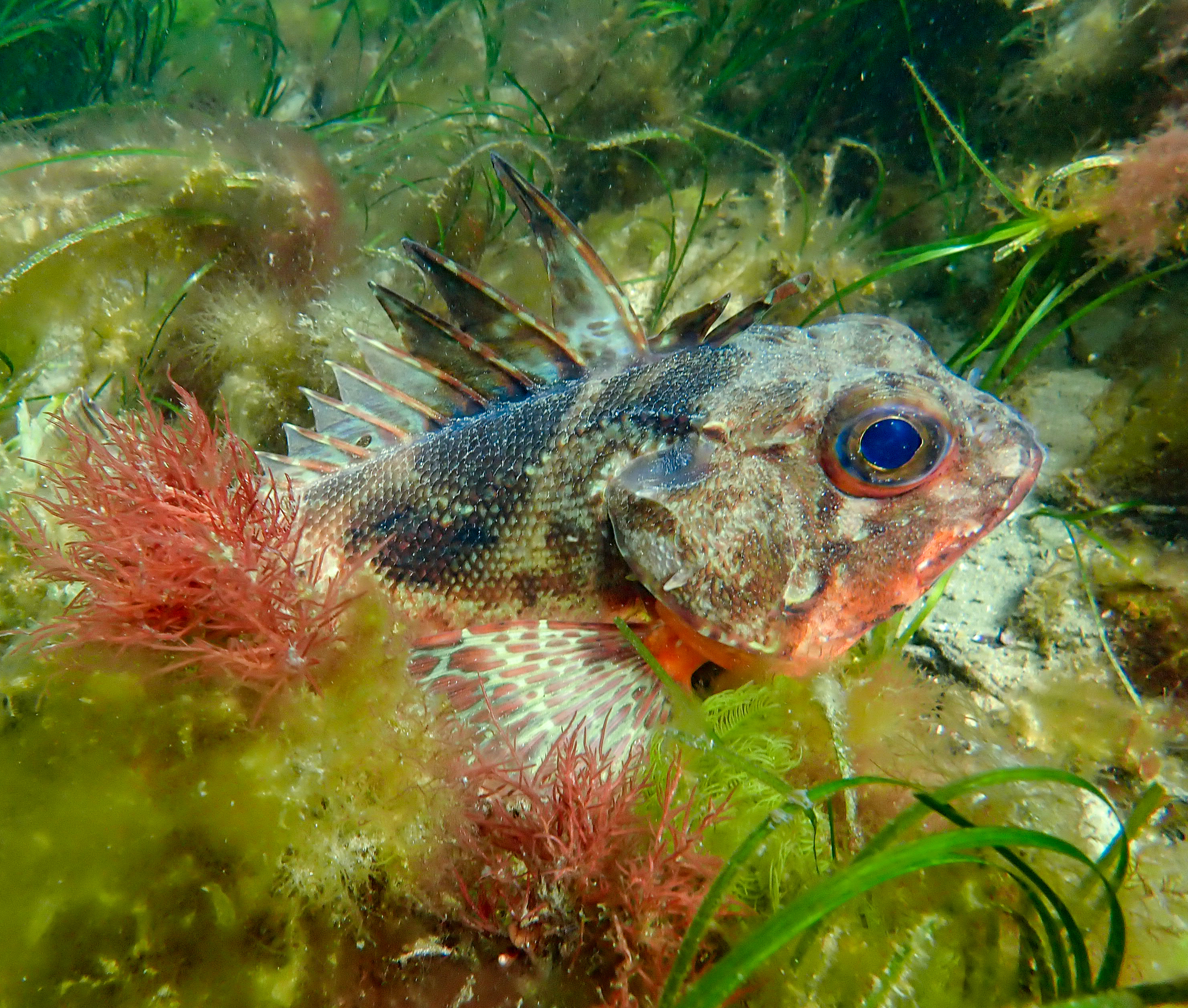
Photo: Common gurnard perch, photographed in Tassie|Bruce Deagle, CC BY 4.0 (Wikimedia Commons)
These reddish, bottom-dwelling fish have a distinctive appearance and are sometimes mistaken for other spiny reef fish.
They spend much of their time close to the seabed, feeding on small fish and crustaceans.
When hooked, they have a surprisingly solid, heavy feel. Their sweet flesh also makes them a good choice for seafood soup.
Pike
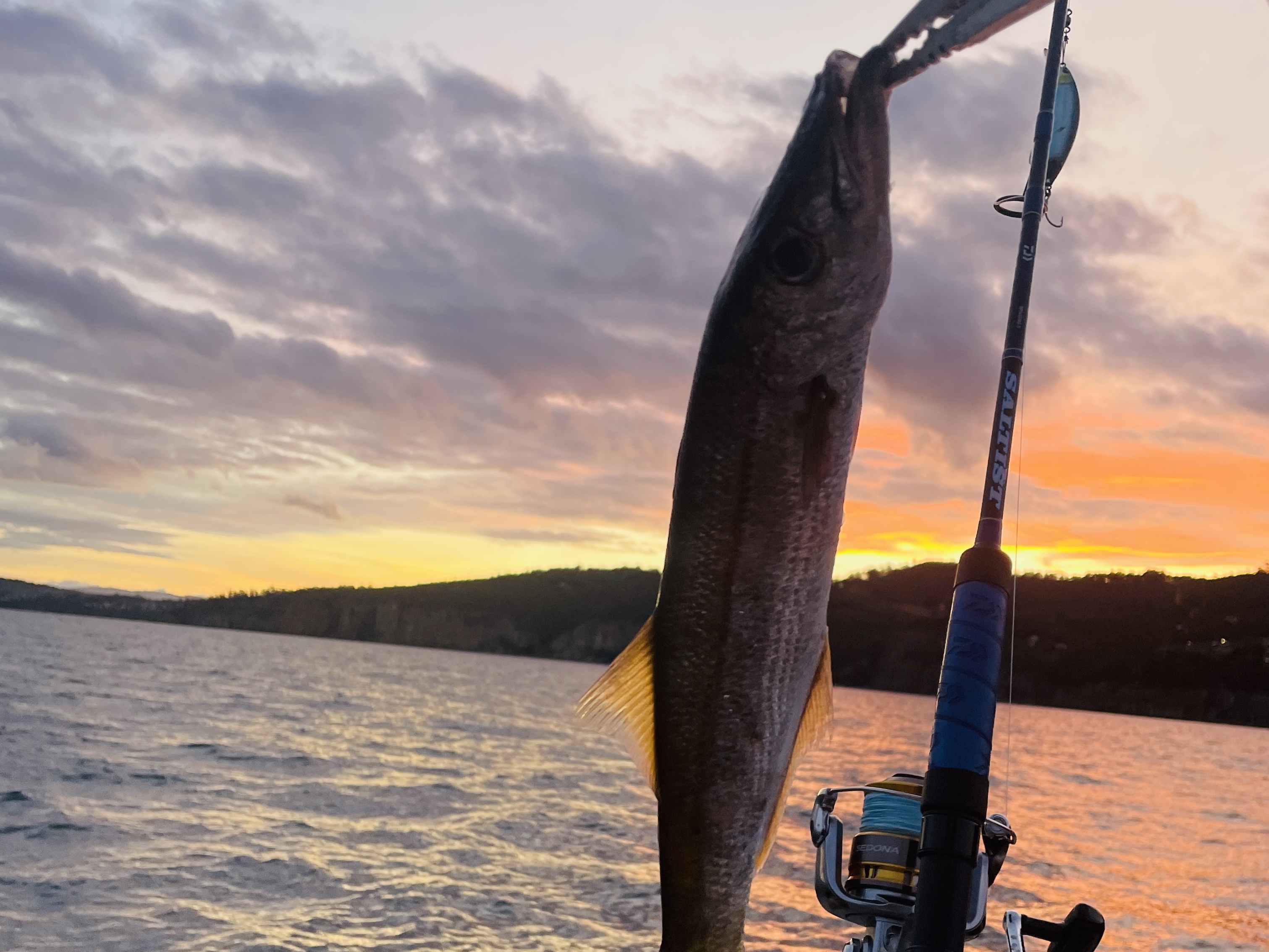
Long, slender and equipped with a pointed mouth, pike are fast swimmers and aggressive feeders.
They can hit a bait hard, and once hooked, they're known for making quick, powerful runs.
If you're looking for a fish that puts up an exciting fight, pike are definitely worth targeting.
Flathead
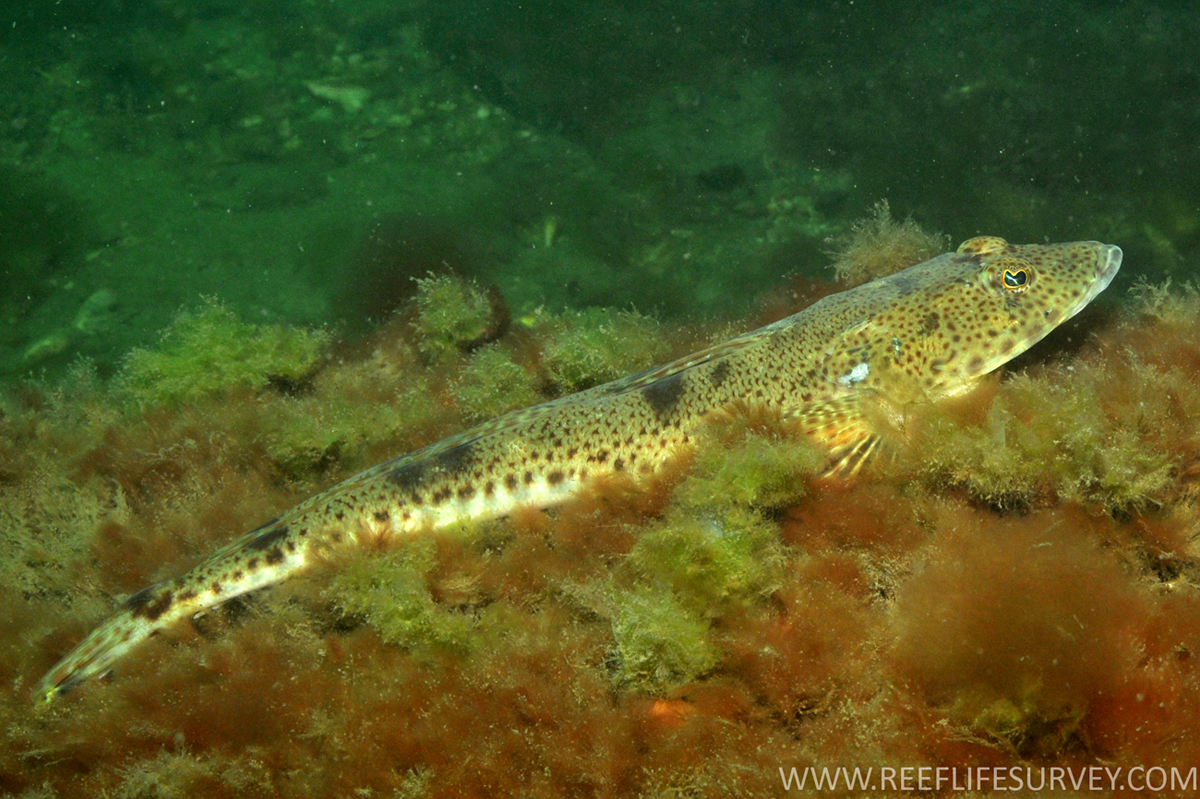
Photo: Southern sand flathead|Rick Stuart-Smith / Reef Life Survey, CC BY 3.0 (Wikimedia Commons)
With their flattened bodies and upward-facing eyes, flathead are classic ambush predators.
They spend much of their time resting on sandy or muddy seabeds, waiting for prey to swim within striking distance.
Locals affectionately call them "flatty", and they're among Tasmania's most popular recreational fishing species.
Their delicate flesh has relatively few fine bones, making them excellent grilled, pan-fried or braised. They're also generally willing to take a bait, which is why many beginners catch their first fish while targeting flathead.
Keep in mind that Tasmanian flathead species are subject to fishing regulations, and some are subject to specific conservation measures.
Australian Salmon
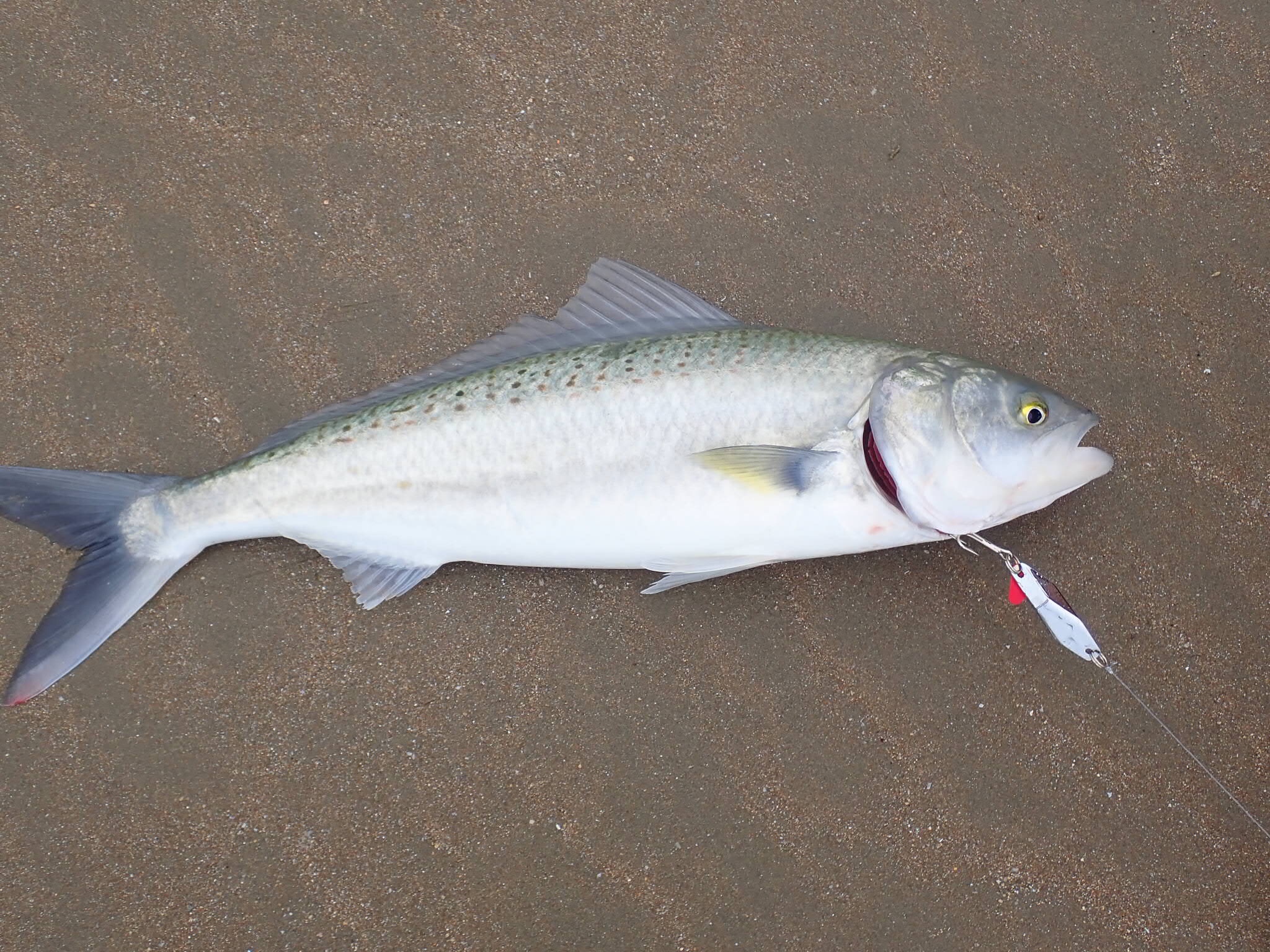
Photo: Eastern Australian salmon (photographed in NZ waters; CC0, Wikimedia Commons)
Despite the name, Australian salmon aren't closely related to the Atlantic salmon commonly served as sashimi.
It's a fun fact that catches plenty of first-time visitors by surprise!
These silvery fish often travel in schools through coastal waters and are known for their strong fighting ability.
Freshness makes a big difference with Australian salmon. They're particularly enjoyable when cooked soon after being caught, especially on the grill.
Trevally
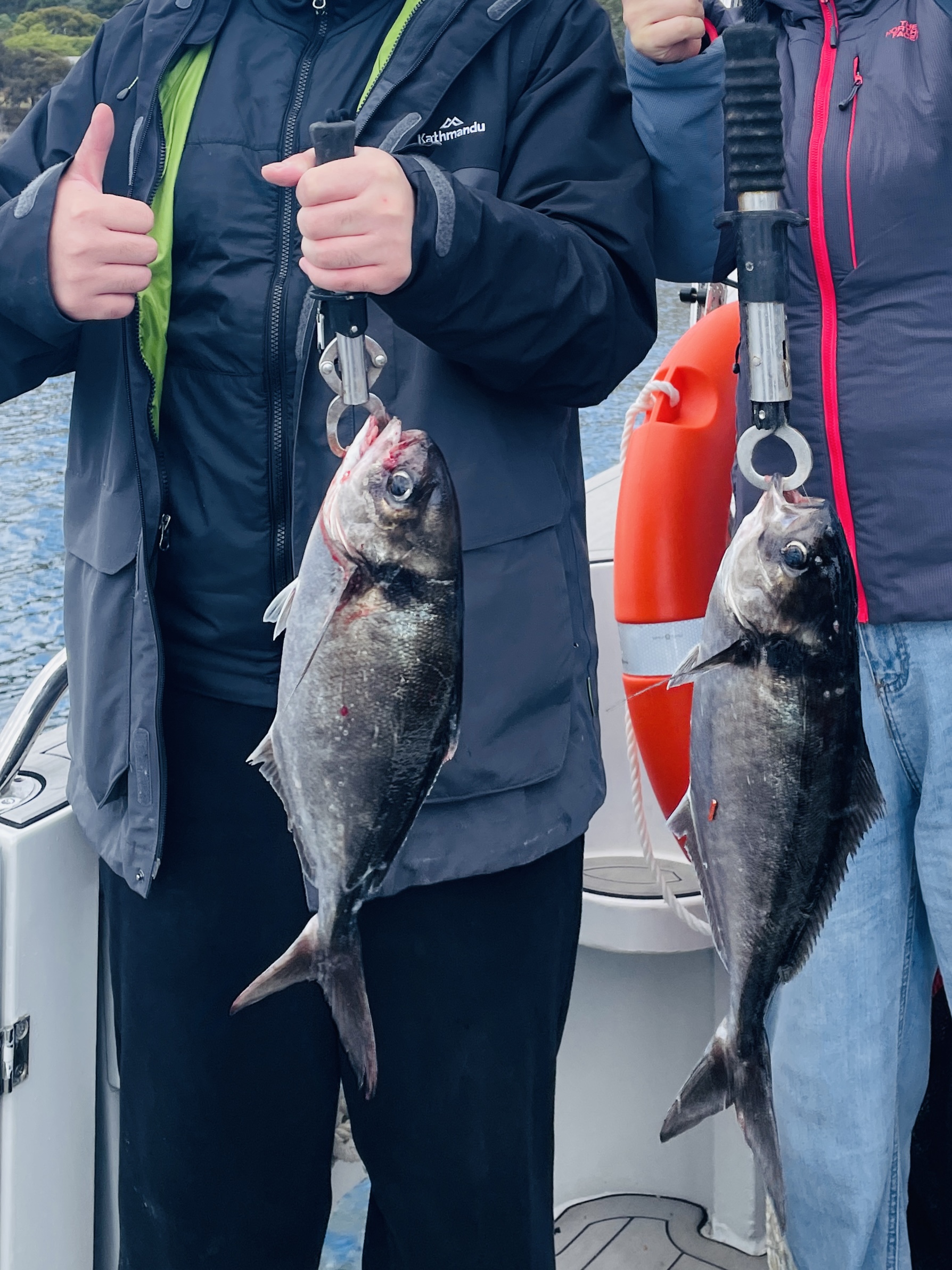
Trevally are among the most energetic fighters on this list and one of the fish we target during our 3-hour sunset fishing cruises.
Once hooked, they can make sudden runs and change direction repeatedly. Anglers love the sensation of a fish pulling from side to side and shaking its head as it fights.
Their flesh is relatively firm, and when handled appropriately, some trevally may be suitable for raw preparations such as sashimi. Raw consumption depends on the species, handling, food safety requirements and the condition of the fish.
Stripy Trumpeter

Photo: Stripy Trumpeter
One of the most exciting target species on our 3-hour sunset fishing cruises and half-day Hook, Dive & Grill trips.
Stripy Trumpeter have streamlined bodies and impressive fighting power. When one takes the bait, the rod can bend dramatically, giving anglers exactly the kind of thrilling fight they're hoping for.
Their flesh is firm, rich and flavourful, making them highly prized for pan-frying and sashimi when properly handled and suitable for raw consumption.
Every year, keen anglers travel from Melbourne, Sydney and other parts of Australia to Tasmania specifically to target Stripy Trumpeter.
Often regarded by enthusiasts as one of Tasmania's finest recreational fishing species, it's easy to understand why some anglers call it the "King of Tasmanian Fish."
If you're lucky enough to hook one, be ready for a proper fight!
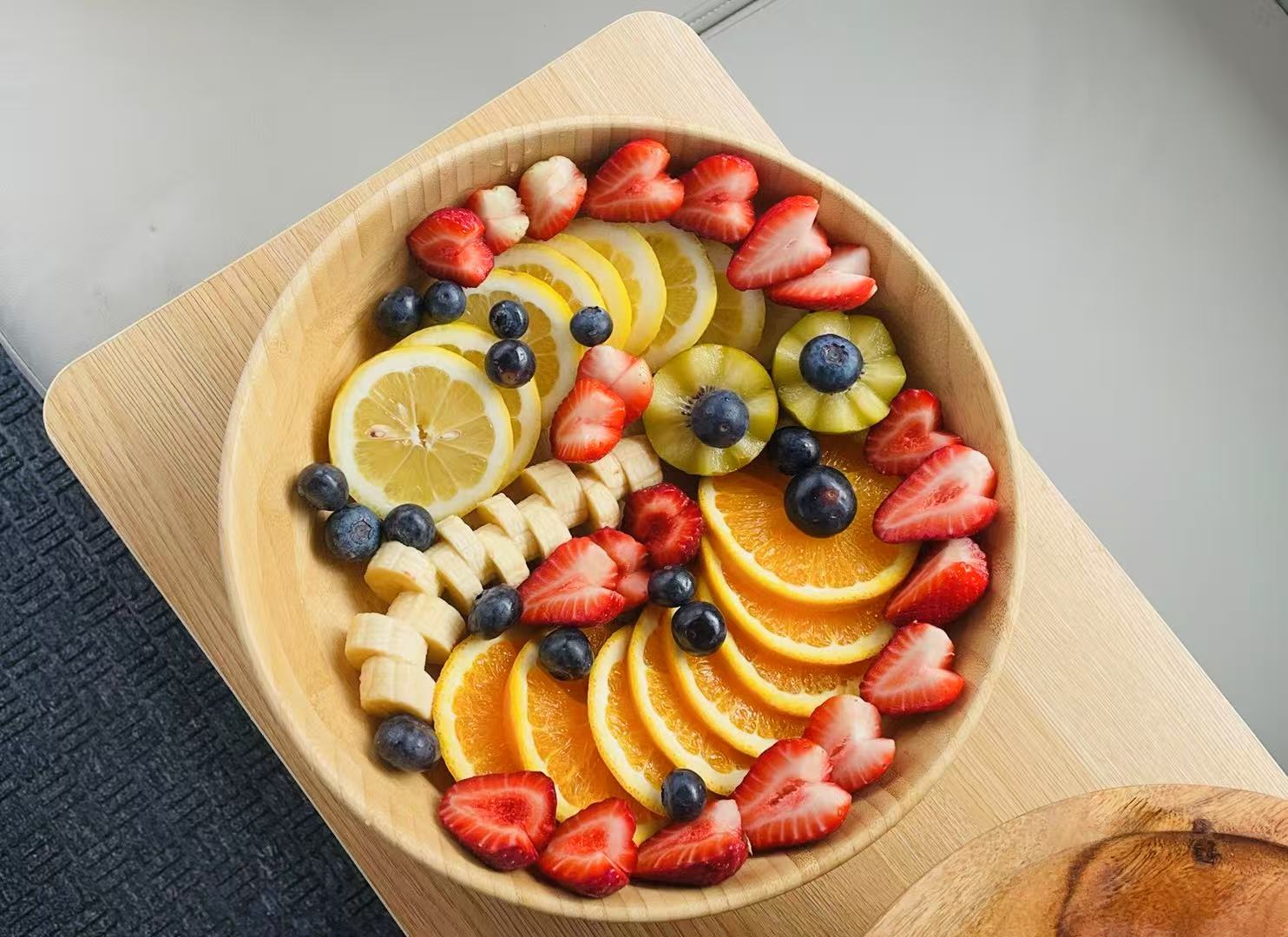
As you can see, inshore fishing isn't necessarily about catching enormous fish.
Every species has its own character. Some are beautiful, some are delicious, and others are surprisingly powerful fighters that might leave your arms feeling a little tired!
That's part of what makes recreational fishing so enjoyable. You can encounter several different species in a single trip without spending the entire day chasing one trophy fish.
3. What's the Best Way to Enjoy Your Catch?
There are two popular options.
The first is to take your catch to a local restaurant that offers seafood preparation services. Having your fish cooked and served on the same day is a great way to enjoy it at its freshest.
The second option is to prepare your own catch using the cooking facilities on board.
If you've personally caught lobster or abalone, for example, you're welcome to use our BBQ hotplate to cook it yourself.
Please note that under the conditions of our commercial operation, our crew cannot cook guests' recreationally caught seafood on their behalf. Guests will need to prepare and cook their own catch.
For more information, see our Half Day Dive, Hook & Grill Experience, or browse all our Fishing & Sightseeing Tours.
4. Size and Bag Limits: Which Fish Can You Keep?
Tasmania has recreational fishing regulations covering minimum sizes, bag limits and other restrictions. You can look up the current rules for every species on the official Fishing Tasmania website, run by the Tasmanian Government's Department of Natural Resources and Environment — including the Recreational Sea Fishing Guide and the free Fishing Tas app.
Not every fish you catch can be kept. Fish that don't meet the relevant legal requirements must be handled appropriately and released when required.
Our crew will help you check each fish as it comes on board, including measuring it when necessary.
Fish that can legally be retained may be kept, while those that must be released will be carefully returned to the water.
Just follow the skipper's instructions, and we'll help you through the process.
One important reminder: sharks caught within designated shark refuge areas must be released in accordance with the applicable regulations. These areas have specific fishing restrictions that must be followed — see the shark refuge areas page on Fishing Tasmania for the full list of locations and rules.
5. The 3 Best Fish for Beginners
If you've never held a fishing rod before, these three species are a great place to start:
- Blue-throat Wrasse — often willing to take a bait, with an exciting fight that gives beginners a real sense of achievement.
- Flathead — a relatively straightforward species to target. Drop your bait to the bottom and retrieve it slowly. You don't need much experience to get started.
- Cod — often worth targeting around reefs, particularly during overcast conditions or towards sunset.
We've seen plenty of guests catch their very first fish, and their reactions are always wonderful. Some get so excited you'd think they'd just won the lottery!
That's what recreational fishing is really about: enjoying the experience, not just counting how many fish you catch.
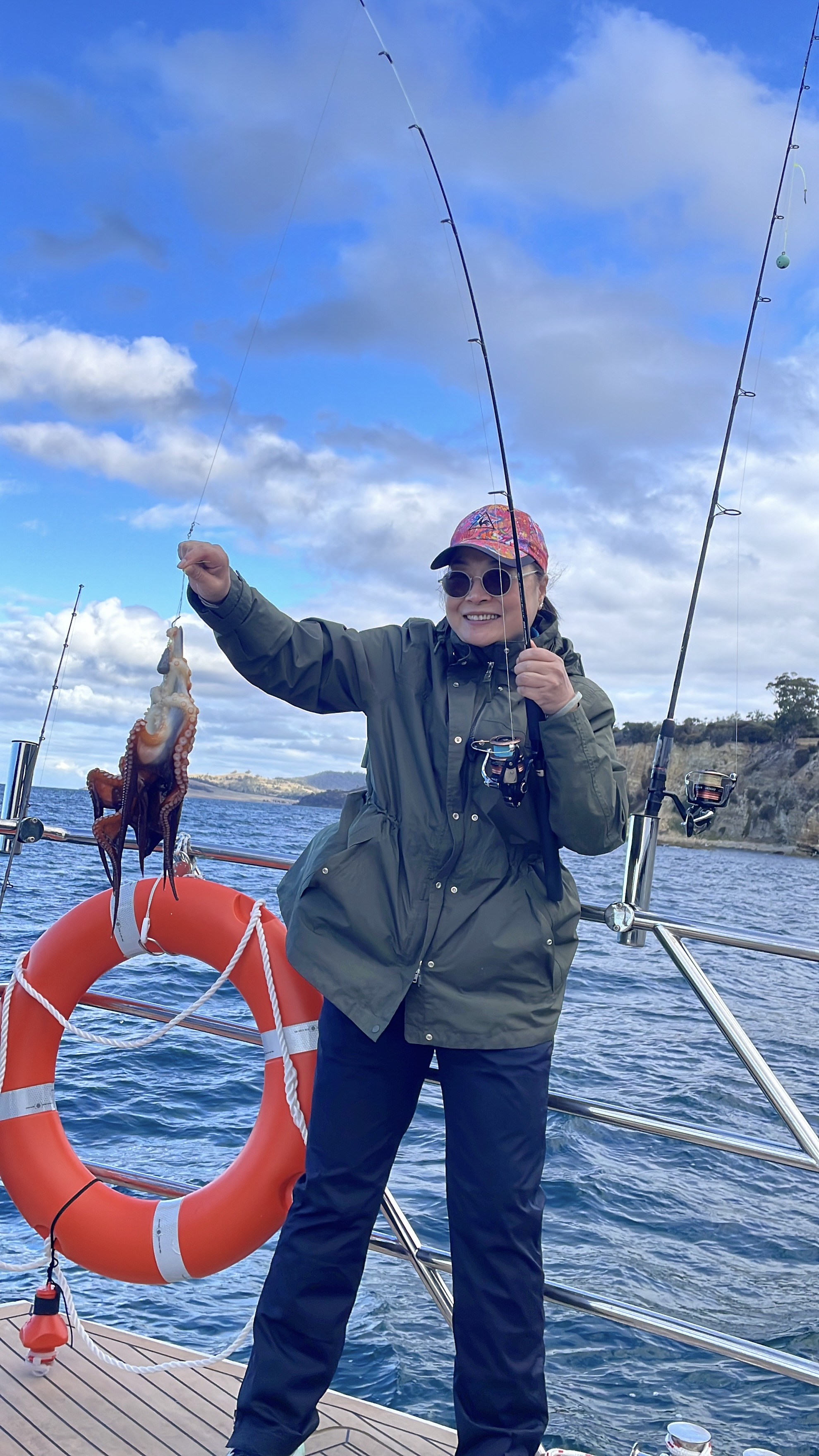
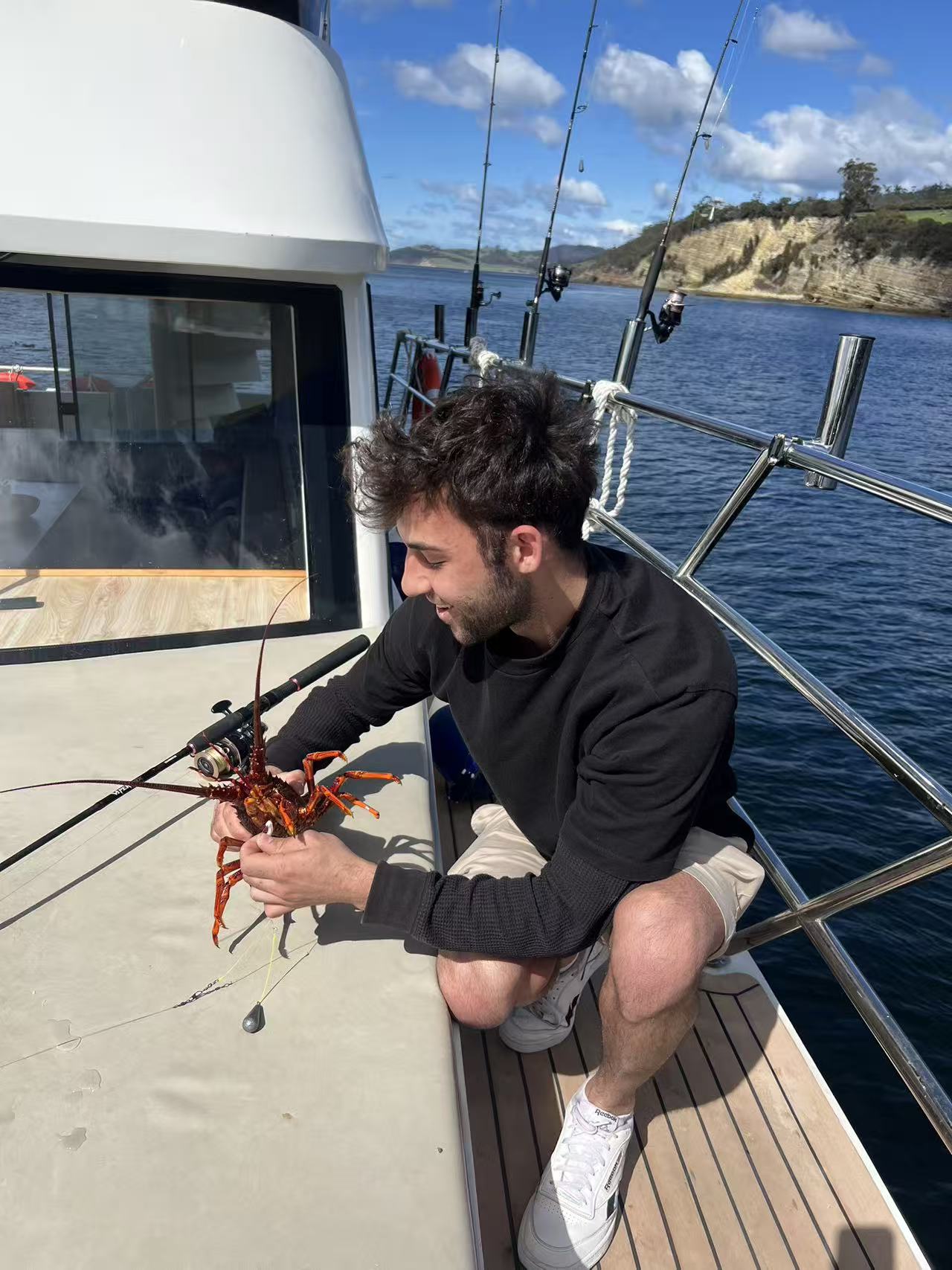
And every now and then, you might even hook something unexpected, like an octopus or a lobster!
6. FAQ
Are you guaranteed to catch fish on a Hobart fishing charter?
Our crew provide patient, hands-on guidance to every guest, including complete beginners. Tasmania has a diverse range of marine species, and our skipper knows a number of productive local fishing spots. This gives beginners a good chance of catching something, although fishing is a natural activity and catches can never be guaranteed. The 10 species covered in this guide are among the fish you may encounter around Tasmania's coastal waters, although their availability varies by location, season and conditions. General recreational saltwater line fishing in Tasmania doesn't require a fishing licence, so you can simply come along and enjoy the experience.
What happens if you hook a big fish while fishing inshore around Hobart?
Most fish caught on our inshore trips weigh less than 2 kg. Occasionally, however, you might hook something much bigger. If that happens, our crew will help you check the relevant fishing regulations, land the fish safely where appropriate and take a few photos. If your main goal is to target genuinely large trophy fish, an offshore game fishing charter may be a better option. It's a completely different style of fishing.
Can vegetarians or people who don't eat fish join a fishing charter?
Absolutely! Fishing is an experience, not an obligation. If you catch a fish, you can choose to share it with your friends or follow the skipper's advice on how to handle it. There's also plenty more to enjoy on board, including sightseeing, snorkelling, diving, watching for seals and dolphins, and even having a go at steering the boat under crew supervision. You certainly don't need to eat fish to have a great time.
Can I take home the fish I catch in Tasmania?
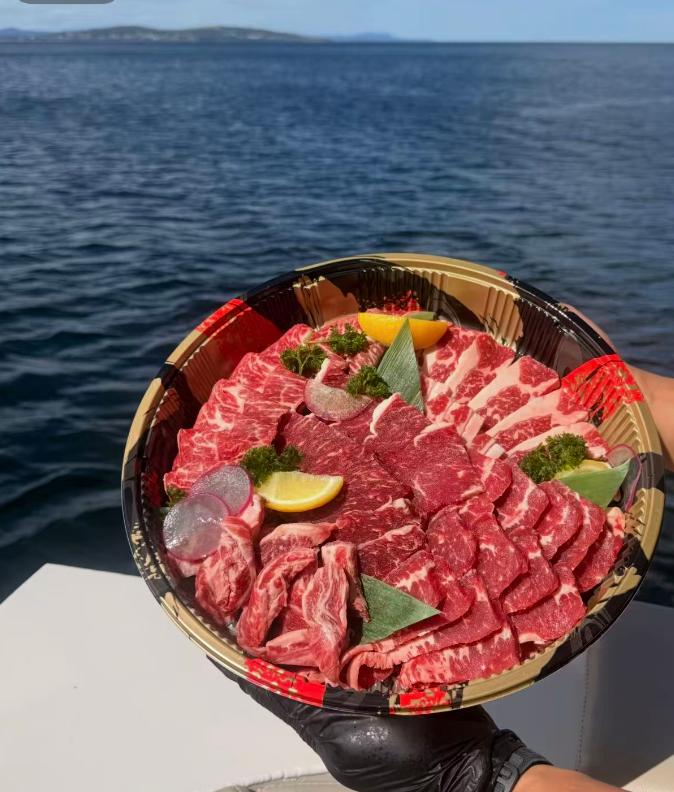
Yes, provided your catch complies with all relevant size, bag and possession limits. Many guests take their fish to a local restaurant to have it prepared and cooked the same day. As for our onboard BBQ menu, dishes such as Wagyu beef, French-cut lamb chops, oysters and salmon sashimi are prepared by our crew, so you can simply relax and enjoy your meal.
What's the best season for fishing in Tasmania?
You can fish in Tasmania throughout the year, but the species you'll encounter may change with the seasons. Warmer months can bring more activity around coastal reefs, while cooler months may offer opportunities to target different bottom-dwelling species. Our skipper adjusts fishing locations and techniques according to the season, weather and sea conditions. Whenever you visit, there's always something interesting to look out for.
Further Reading
- Want to learn more about prices, fishing licences, shared charters and private boat hire? How to Choose a Hobart Fishing Charter
- Not sure what to pack for your trip? What to Bring on a Hobart Fishing Trip
Now that you've met these 10 fish species, why not come and try catching one yourself?
These aren't just fish from a guidebook. They're species we regularly encounter while exploring Tasmania's beautiful coastal waters.
Whether you'd love to catch your first Blue-throat Wrasse, test your skills against a powerful Stripy Trumpeter, or take your freshly caught fish to a local restaurant for dinner, there's something special about catching your own seafood. Visit our official website to check Hobart fishing charter availability and prices. During peak season, we recommend booking two to four weeks in advance.
See you on board! We can't wait to find out what your first catch will be.




Comments(0)