Hobart Fishing Charters Compared: Seafood Boat Cruise vs Catch-and-Cook — Which One Suits You?
Planning a trip to Tasmania? You've probably googled "Tasmania seafood boat". Here's the catch: that one term covers several very different experiences. Some are floating restaurants — the crew cooks, you eat. Some are pure sightseeing tours. Some hand you a rod and let you barbecue your own catch aboard. Pick the wrong one and the day falls flat.

1. The Four Types of Seafood Experiences in Tasmania
Here's how the main categories of Hobart fishing charters, boat tours and sightseeing tours stack up:
| Type | What it's about | Who it's for | Rough price per person |
|---|---|---|---|
| Seafood boat cruise | Served-style dining. A chef prepares seafood on board. | Travellers who want to relax and be fed. | Mid-to-high range |
| Sightseeing fishing cruise | Sunset cruise with try-your-hand fishing. Seals and dolphins are likely. | Families and first-timers | Entry range |
| Sport fishing charter | Catching fish is the whole point. It often goes further offshore. | Keen anglers | Higher range |
| Hands-on catch-and-cook | You fish. Certified divers can catch seafood. Then you cook it on board. | Experience-seeking travellers | From $198 to $299 |
Like most tour operators, we run our own routes and pricing. The figures below are our own published prices. Always check our website for current pricing.
2. The "Seafood Boat": Served-Style Dining at Sea
This style of Tasmania seafood cruise is all about being looked after. You board, sit back, and the crew handles everything — sourcing, cooking, plating. Expect generous spreads: oysters, abalone, lobster and fresh fish chowder, all while the coastline drifts past.
Comfortable, photogenic, and ideal for travellers who want a special meal with zero effort. Think anniversary dinners or trips with older family members. But keep two things in mind.
First, these cruises last five to six hours. Dining is the main event. Second, you will have almost no interaction with the ocean. The seafood arrives at your table without you ever touching the water.
If "great food, zero effort" is the goal, this style delivers. But if you'd like to be part of the story, the catch-and-cook style is worth a look.
3. Catch-and-Cook: You Catch It, You Cook It
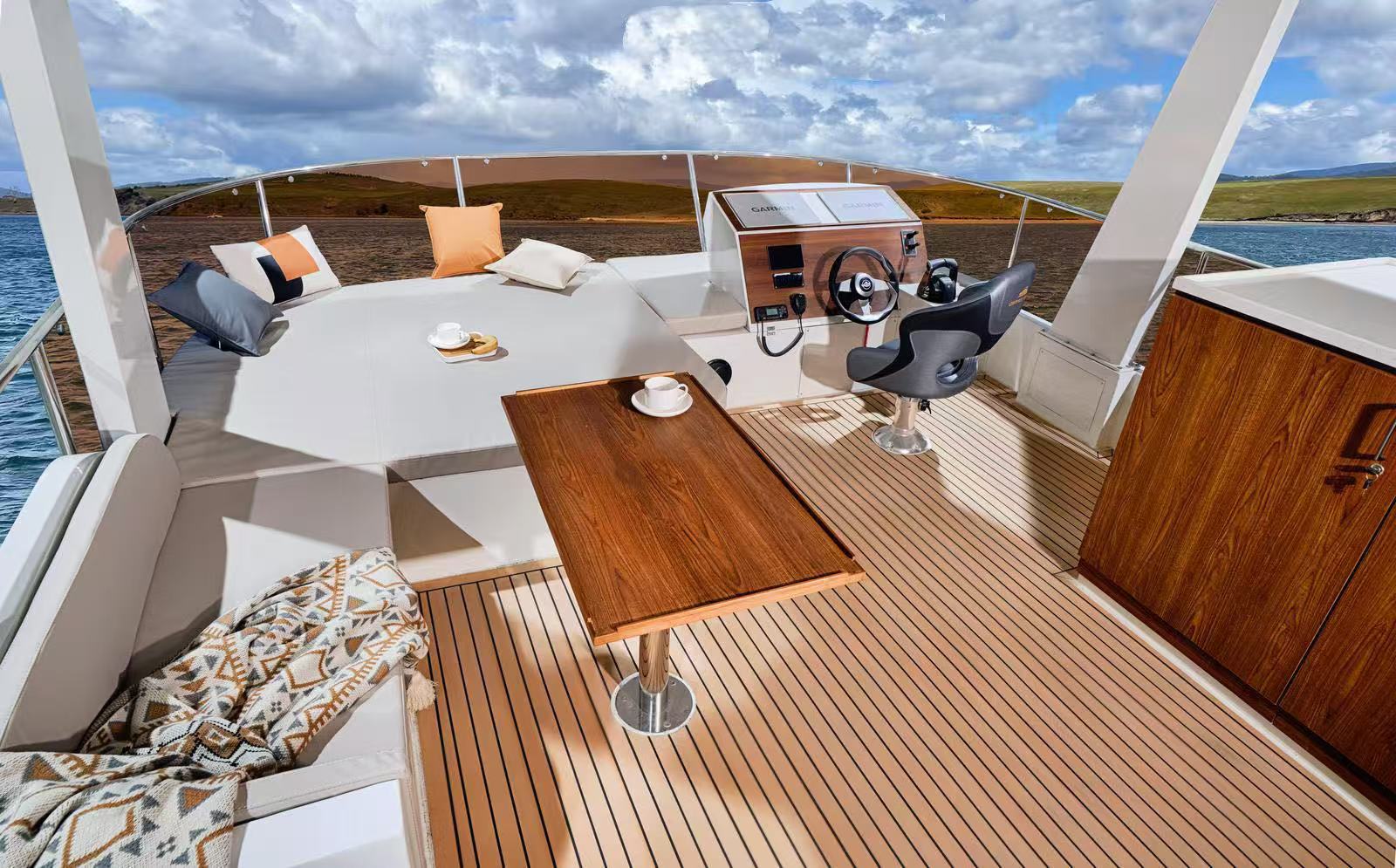
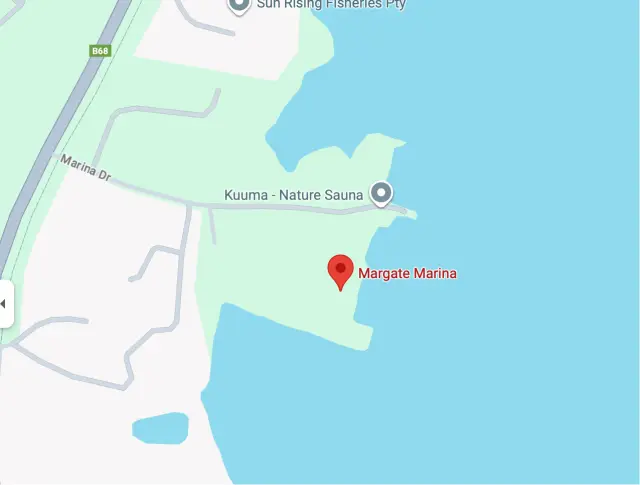
Ask us which trip gets the most involvement and we'll say hands-on catch-and-cook. Our 4.5-hour "catch, dive & BBQ" trip is our take on it. It departs from Margate Marina. Here's how the day works:
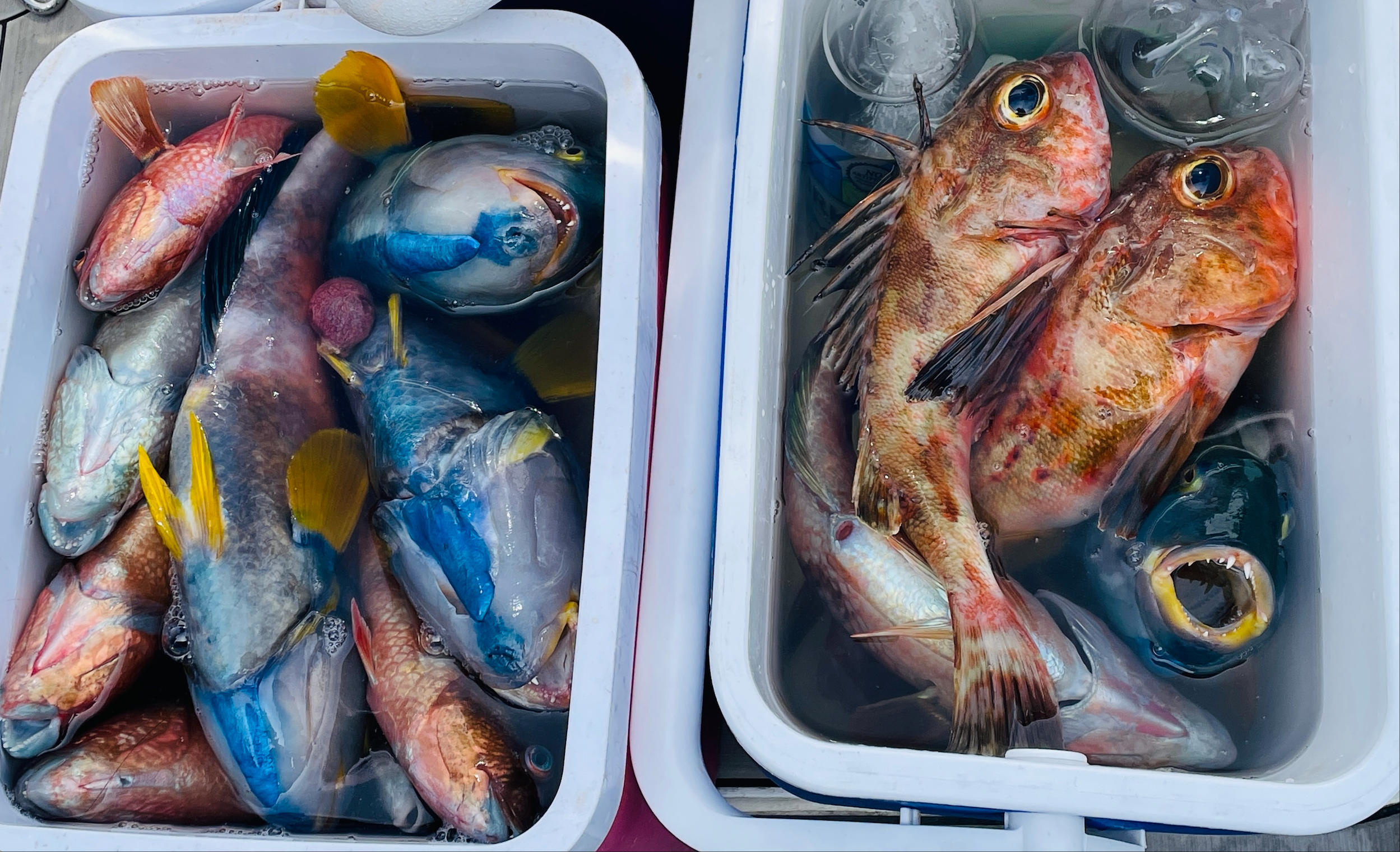
- You do the fishing. Recreational sea fishing in Tasmania needs no fishing licence — great value. Our crew teaches you from zero: how to cast, how to read a bite, how to land a fish. Common catches include Australian salmon, parrot fish and blue-throat wrasse. Leatherjacket, jackass morwong and gurnard perch too. Pike and flathead are also common — locals call flathead "flatty". We won't promise you'll catch one. But the skipper knows the seasonal spots and will take you to them.
- Certified divers can catch their own seafood. Guests with a diving qualification can enter the water with a crew member alongside. They can hand-catch abalone, lobster or sea urchin. One thing to note: catching lobster, abalone or scallops requires a Tasmanian recreational fishing licence. Rod fishing needs none. To be completely upfront: our licence does not allow crew to catch seafood for you to cook onboard. So if you want to eat your own catch, you must be the one in the water — properly qualified. This is also the easiest taste of diving in Tasmania you'll find. Cool, clear water, with a crew member right beside you. No licence? No problem. You can snorkel and sightsee instead, or focus on the fishing. It's just as memorable.
- Cooking your catch. Here's where accuracy matters. Tasmanian regulations do not allow us to cook the wild seafood our guests catch. So the correct arrangement: guests borrow the boat's cooking equipment and grill it themselves. The crew assist at most. In practice, fish often travel with you to a restaurant for processing. Scaling, gutting and prep are hard to organise on a shared trip — other groups are often aboard. Crayfish and abalone you catch yourself are much simpler. They go straight onto the same grill plate as the BBQ. The ingredients we provide — wagyu, oysters and so on — are cooked by our crew. That side isn't restricted.
And the crew-made menu goes well beyond "BBQ". It includes fresh fruit, Tasmanian oysters, salmon sashimi, A5/A9 wagyu beef, lamb chops and dessert. Where you eat is part of the experience too. We pick a sheltered bay based on the day's wind and sea state. You dine in comfort, with a view. On clear days there's a chance to spot the Iron Pot lighthouse — the oldest in Australia. And on the way back, in calm water, the crew will guide you through taking the helm. They'll snap photos so you remember it.

On top of that, guests on some trips can take the helm and steer the boat themselves. The marine life around Hobart puts on a good show too. Seals, dolphins and seabirds are regulars. In migration season, humpback whales occasionally pass through. But the animals are wild — sightings are always a matter of luck.
For full details, see our 4.5-hour catch, dive & BBQ trip, or browse all our trips. Want to know more about the species? Read our guide to Tasmania's 10 common catches — from wrasse to kingfish.
4. Budgeting Your Trip: Under $300 vs $300–700 Per Person
Under AUD $300 per person: This bracket is more than enough for a great day out. Our 3-hour sightseeing fishing cruise is $198 per person. We depart in the golden hours. You can fish for kingfish and trevally as the sun sets. Seals and dolphins often join us along the way. Our 4.5-hour catch, dive & BBQ trip is $299 per person. It includes fishing and an optional snorkelling session. You also get the onboard wagyu-and-seafood BBQ spread. Both depart from Margate Marina and stay in nearshore waters. Shorter trip, gentler on the body.
$300–700 per person: For a longer, more luxurious meal, served-style seafood cruises usually cost this much. Travelling with a bigger group? Private boat charters start at $800 for 4 hours. A private charter can take up to 12 guests. Trips of 6 hours or more have custom quotes. Split the cost among friends and it can be surprisingly affordable. Corporate events, birthdays and proposals commonly feature it.
One more tip: Tasmania's peak season runs from about November to March. It overlaps with the Australian and New Zealand summer holidays — and the Northern Hemisphere winter escape rush. Spots fill fast. Book at least two to four weeks ahead. Book further out for private charters.
(All prices in AUD and subject to change — check the website for current pricing.)
5. Will You Get Seasick? How to Tell If a Boat Trip Suits You
Honest answer: nobody can guarantee you won't feel queasy. But you can stack the odds in your favour:
- Check the waters. Nearshore trips are far gentler. We operate from Margate Marina, south of Hobart, and stay in nearshore waters. You are not hours from land in ocean swell. This is much friendlier for beginners and motion-sensitive guests.
- Start short. Not sure how you'll go? Try the 3-hour cruise first. If you handle it well, step up to the 4.5-hour trip.
- Prepare properly. No alcohol the night before. Eat something before boarding — an empty stomach can make it worse. Take seasickness medication 30–60 minutes before departure. Stand amidships, where the motion is least.
And remember — seasickness has nothing to do with fitness. It's about your inner ear. Our crew have looked after thousands of guests. There's no embarrassment in mentioning you feel off.
6. What to Pack for a Boat Trip in Tasmania
Whichever style you choose, bring these:
- A windproof, waterproof jacket — Tassie weather turns quickly, and it's windier at sea, even in summer.
- Sun protection — SPF50+ sunscreen, sunglasses and a hat. Reflection off the water doubles your exposure.
- Comfortable, grippy shoes — decks get wet; thongs and flip-flops are slippery.
- A camera or phone with a wrist strap — you'll want it ready when the dolphins appear.
- A light sweater even in summer — it can feel ten degrees cooler on the water.
Pairing your trip: many visitors combine a day on the water with a Tasman Peninsula day trip. The sea cliffs of Tasman National Park sit just over an hour's drive east. Back in Hobart, the waterfront offers river cruises, stand-up paddleboarding and plenty of other tours and activities.
7. FAQ
1) Which seafood experience is best for families?
For kids and grandparents, choose a shorter nearshore trip with sightseeing as the focus. Try our 3-hour cruise. Watch seals, dolphins and seabirds. Fish if you want to try. Or just sit in the sun with zero pressure. Private charters offer even more flexibility.
2) I've never fished before. Can I still join?
Absolutely. You don't need a licence for recreational sea fishing in Tasmania. Our crew teach you from scratch. You usually take your fish to a restaurant for processing. The crayfish and abalone you catch can be grilled on board. Plenty of our guests hold a fishing rod for the first time in Tassie. They tell us it was the highlight of their trip.
3) How far in advance should I book?
For regular departures, at least two weeks ahead. In peak season (November–March), on weekends, and around Christmas/New Year, aim for three to four weeks. Private charters in peak season should be enquired about a month out.
4) Is it worth going in winter?
Yes — we operate year-round, and winter fishing has its own seasonal surprises. Expect cooler temperatures and livelier seas. Dress warmly and bring waterproof layers. If conditions are ever unsafe, trips are rescheduled or cancelled. Safety always comes first.
5) Can I keep or cook what I catch?
Yes — and taking fish to a restaurant for processing is the most common path. Eaten the same day, they're at their absolute freshest. You can also cook your catch onboard, but you do the cooking. Tasmanian regulations don't allow us to cook guests' wild catch. So it's a case of borrowing the boat's cooking gear and grilling it yourself, with crew assisting at most. Crayfish and abalone are the easy ones — same grill plate as the BBQ. Whole fish are less common on shared trips because of the prep involved. Crew check every fish against Tasmania's recreational size and bag limits. Those rules apply to everyone. We'll help you follow them, every step of the way.
Ready to plan your Hobart seafood experience? Maybe you want to sit back and be served. Maybe you want to catch your own fish and barbecue it on deck. Either way, Tasmania has a style of day on the water that fits. At Diver's Fishing Charters Hobart, we run hands-on nearshore trips from Margate Marina — about a 20-minute drive south of Hobart. Head to our website to check availability and current pricing. Book early for peak season. See you on the water!